Master violin maker · Mirecourt
Alain Carbonare
The ear, the hand,the memory.
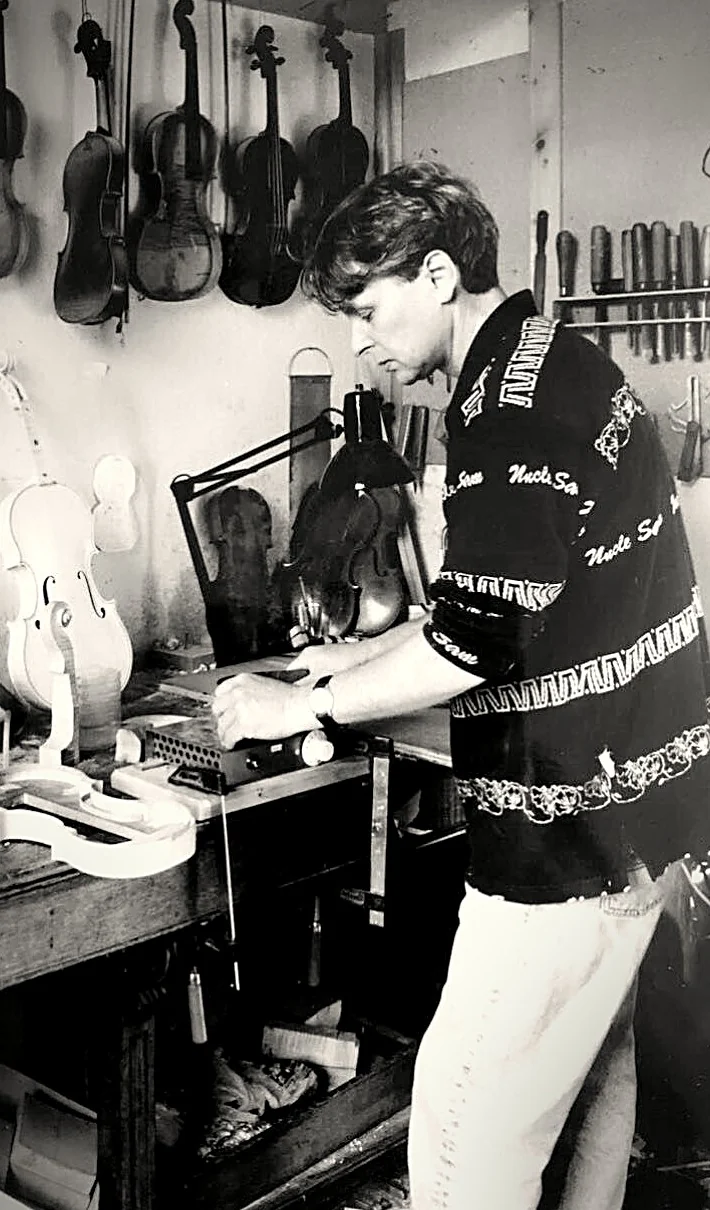
Master violin maker in Mirecourt since the late 1980s. His workshop, at the heart of the town, has signed several hundred instruments — violins, violas, cellos. In Mirecourt he also watches over the family house of Jean-Baptiste Vuillaume, which he saved from ruin.
The path
From musician to master violin maker
At fifteen, Alain Carbonare shaped his first guitar in his grandfather’s cabinetmaking workshop. A musician before he was a violin maker — pianist, arranger, composer — he received the Montreux Grand Prix du Disque in 1981 for a work of his own, Wurtemberg.
Then wood took over. He set up his workshop in Mirecourt, the French capital of violin making, and it is there that his own instruments are born. In the same town he bought and saved the family house of Jean-Baptiste Vuillaume, the “French Stradivarius”, born there in 1798.
He has since signed several hundred instruments — violins, violas, cellos — many of them played outside France today.
« When the first note sounds, for me it is like a birth. »
The craft · Alain Carbonare
Matter becomes voice
The material
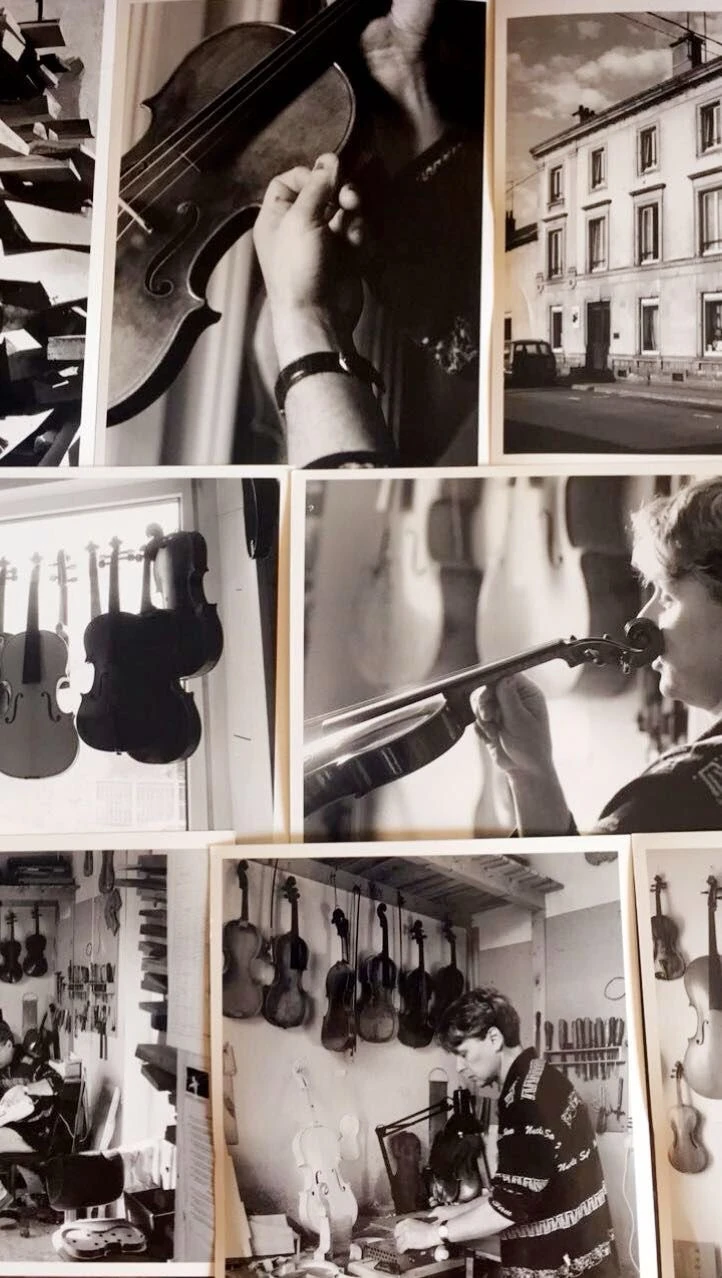
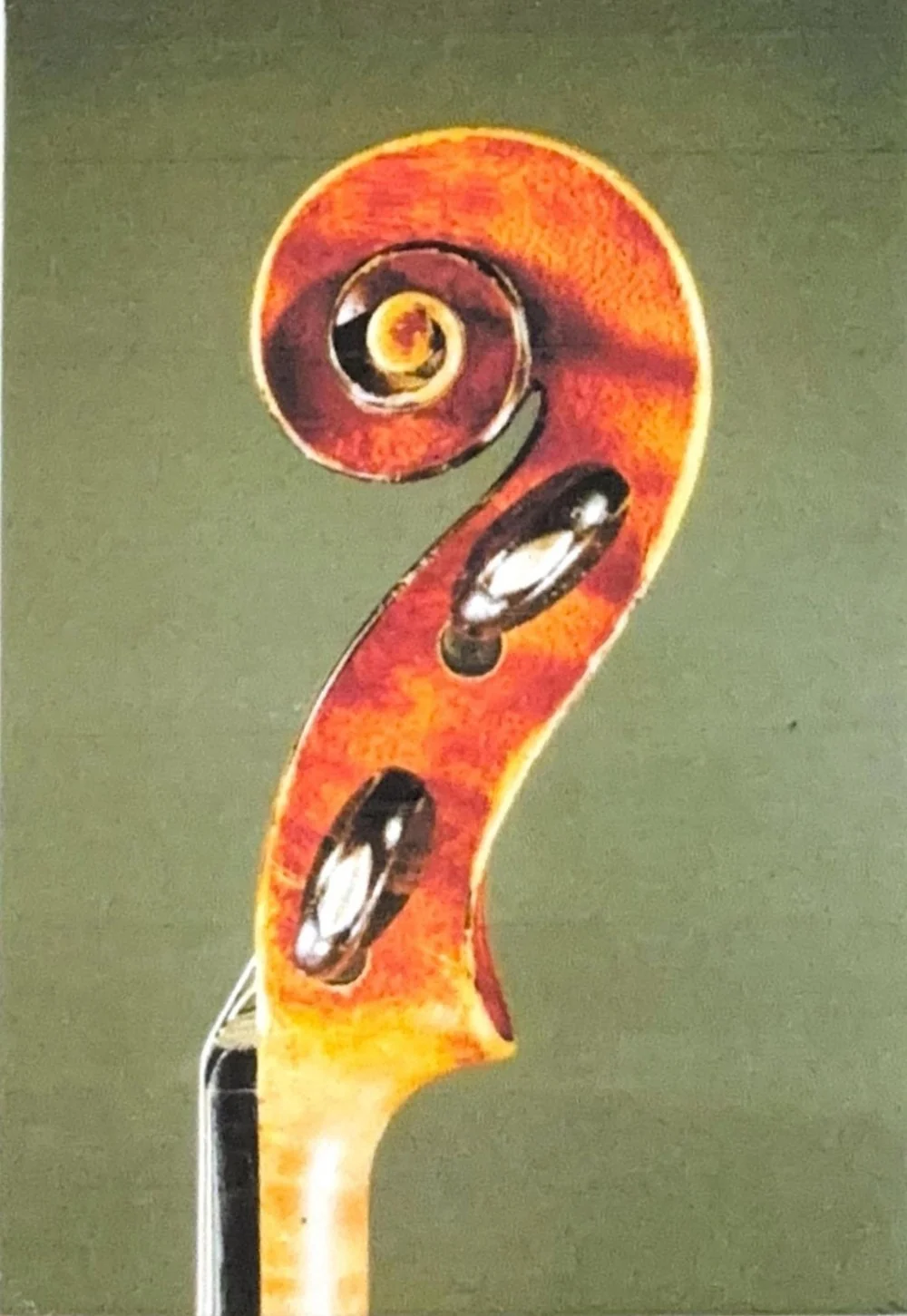
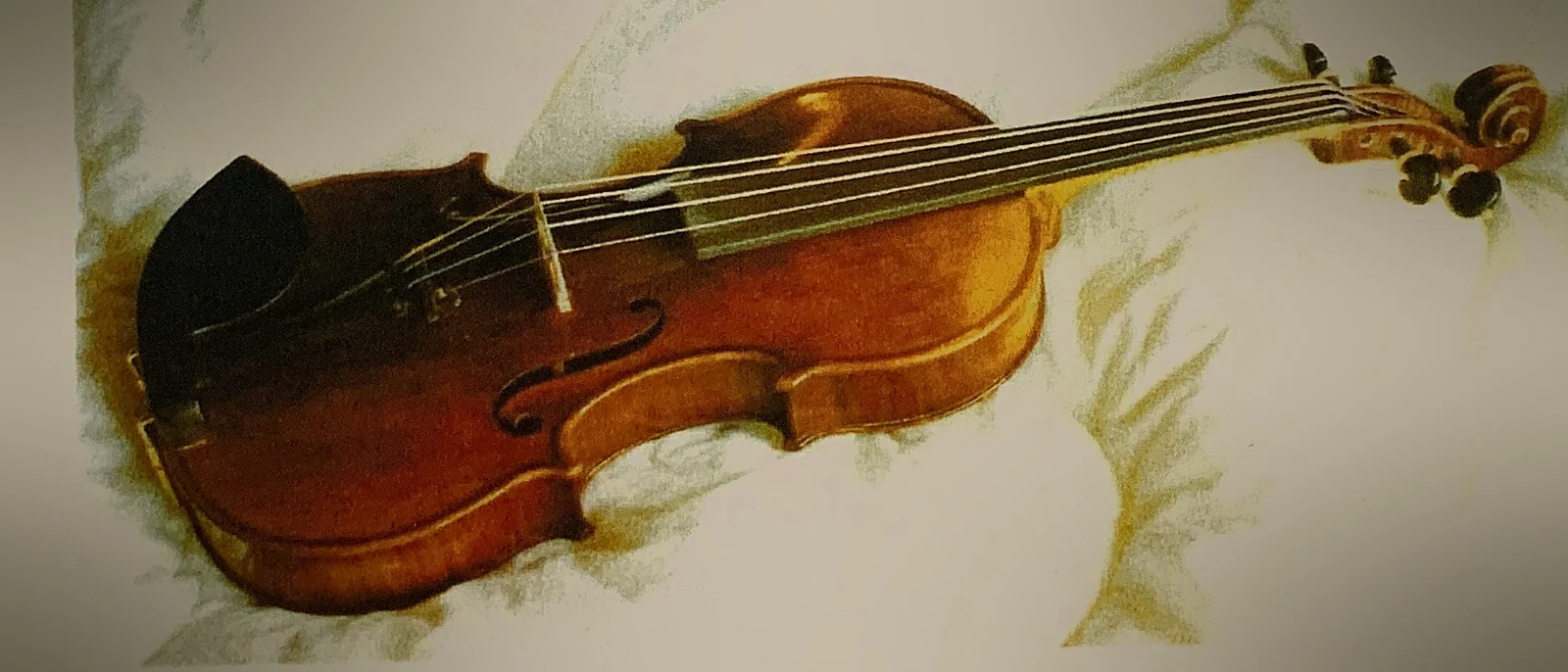
Each instrument takes nearly a month of work, shaped to a tenth of a millimetre. The wood — long-aged maple and spruce — is chosen with the utmost care.
Precision
For Alain Carbonare, the instrument must enter into symbiosis with the musician’s aural awareness: their emotional being, their sensuality, their spiritual self.
Listening
Music’s aim is not to express feelings: it is feeling. The maker must set music into matter — turning inert matter into living matter.
Mirecourt has been a violin-making town since the seventeenth century. It is there that Alain Carbonare opened his workshop, and there that his instruments are born: bench, gouges, moulds, hot glue, varnishes prepared on site.
The great performers
Instruments played by the greatest
From the Mirecourt bench to international stages: Rostropovich, Menuhin and Spivakov have crossed paths with Alain Carbonare’s work. These encounters belong to the maker’s own story; they shed light on the instruments, they do not replace them.
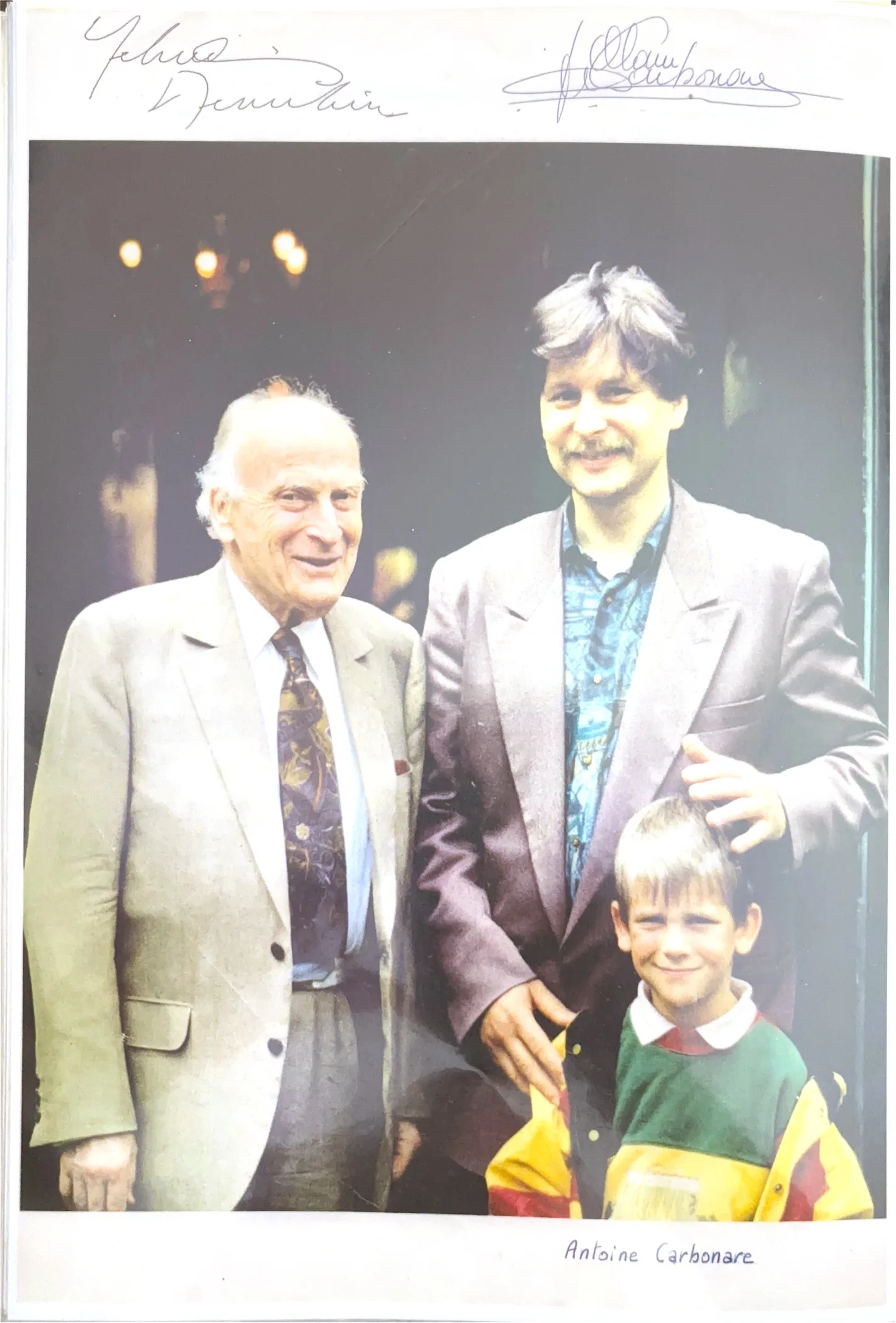
Signed photograph kept in the workshop archives. 01Yehudi Menuhin
Summer 1993, Colmar Festival. Vladimir Spivakov places in Yehudi Menuhin’s hands a violin that left the Mirecourt bench only weeks earlier. Menuhin tries it, then plays it in public that same day. On 14 July a letter reaches the workshop: “Thank you for this beautiful violin, which I came to know a few hours ago.” A few lines that say everything — a new instrument recognised by one of the century’s finest ears.
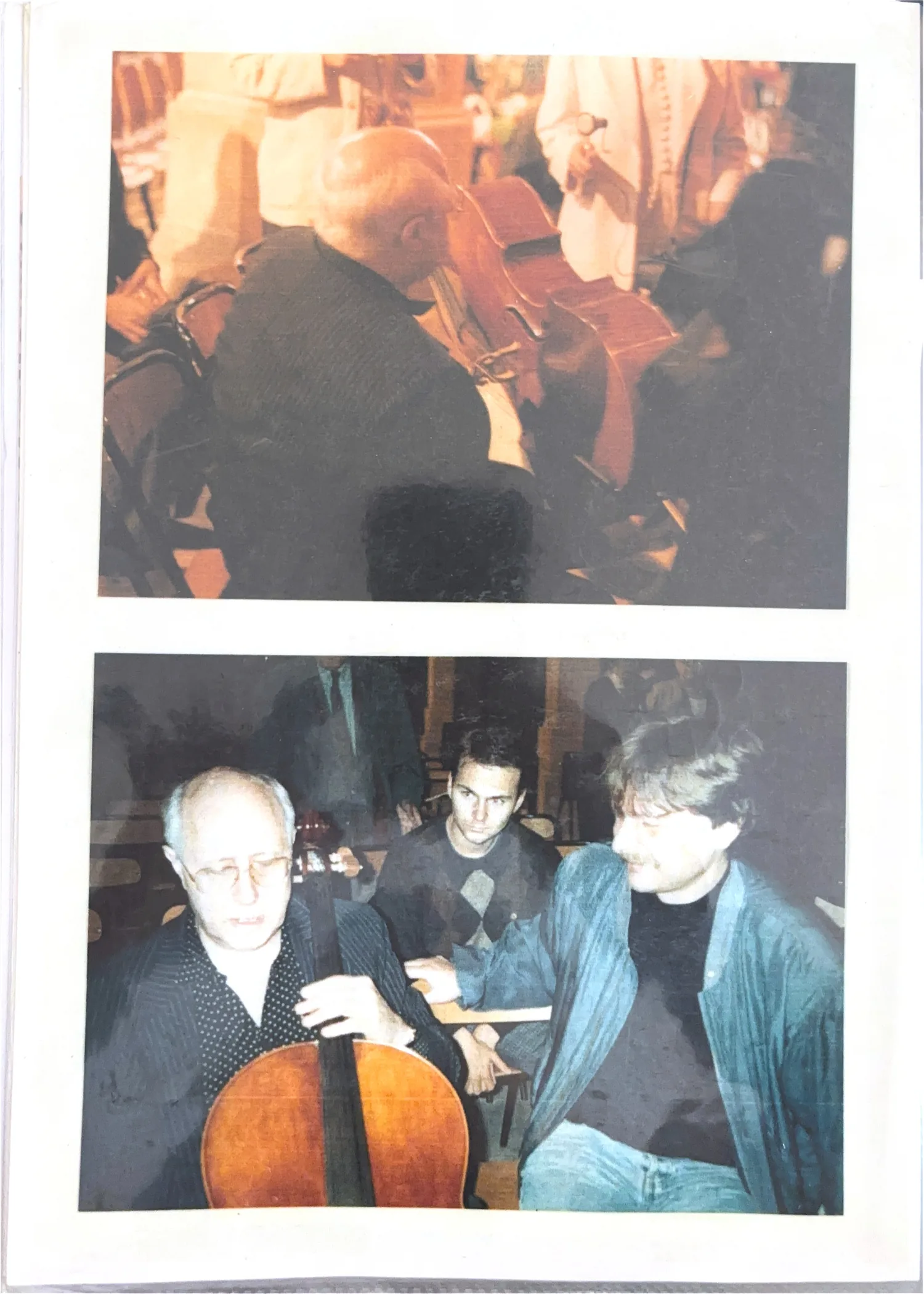
Meeting around the cello, workshop archives. 02Mstislav Rostropovich
In 1997, for Mstislav Rostropovich’s seventieth birthday, Alain Carbonare devoted a year to a single cello. The master tried it, testing the depth of its low register and the clarity of its song. Eleven years later a second cello grew from the same drawings: two sister instruments, born of one demand, which the maker counts among the highest pages of his work.
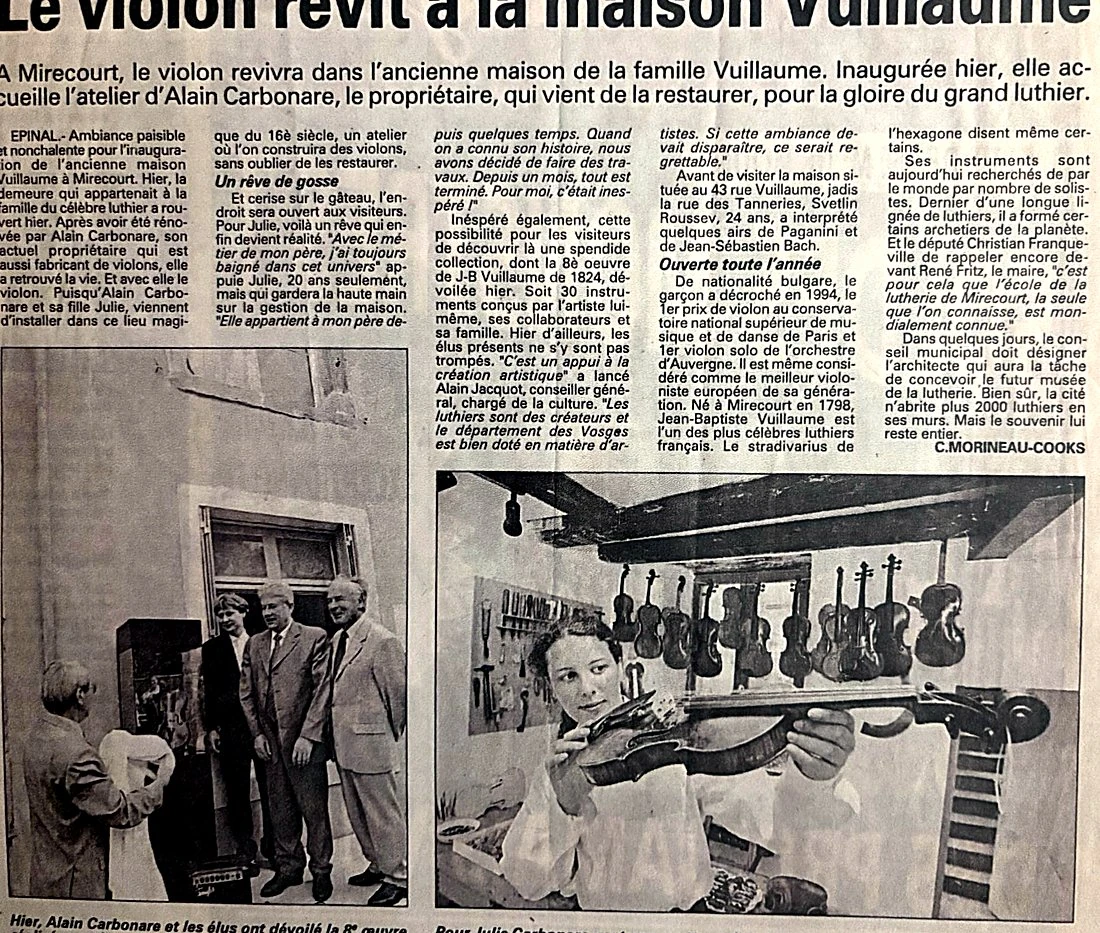
“The violin lives again at the Vuillaume house” — clipping kept by the workshop. 03The Vuillaume House
In Mirecourt still stands the family house of Jean-Baptiste Vuillaume. Under threat, it was bought and saved by Alain Carbonare, who cares for it. The instruments themselves are born in his workshop, a few steps away: the house keeps the memory, the bench makes the sound.
The new generation
With the violinist and conductor Vladimir Spivakov, director of the Colmar Festival where the maker has returned since the mid-1980s, the bond is long-standing. In May 2016, Alain Carbonare travelled to Ufa with his daughter Mazarine for the first Vladimir Spivakov International Violin Competition: two violins from their workshop stayed there, handed to young prize-winners. His instruments have also been made for musicians of the orchestra accompanying Céline Dion.
« The instruments born in your hands are filled with light, soul and love. »
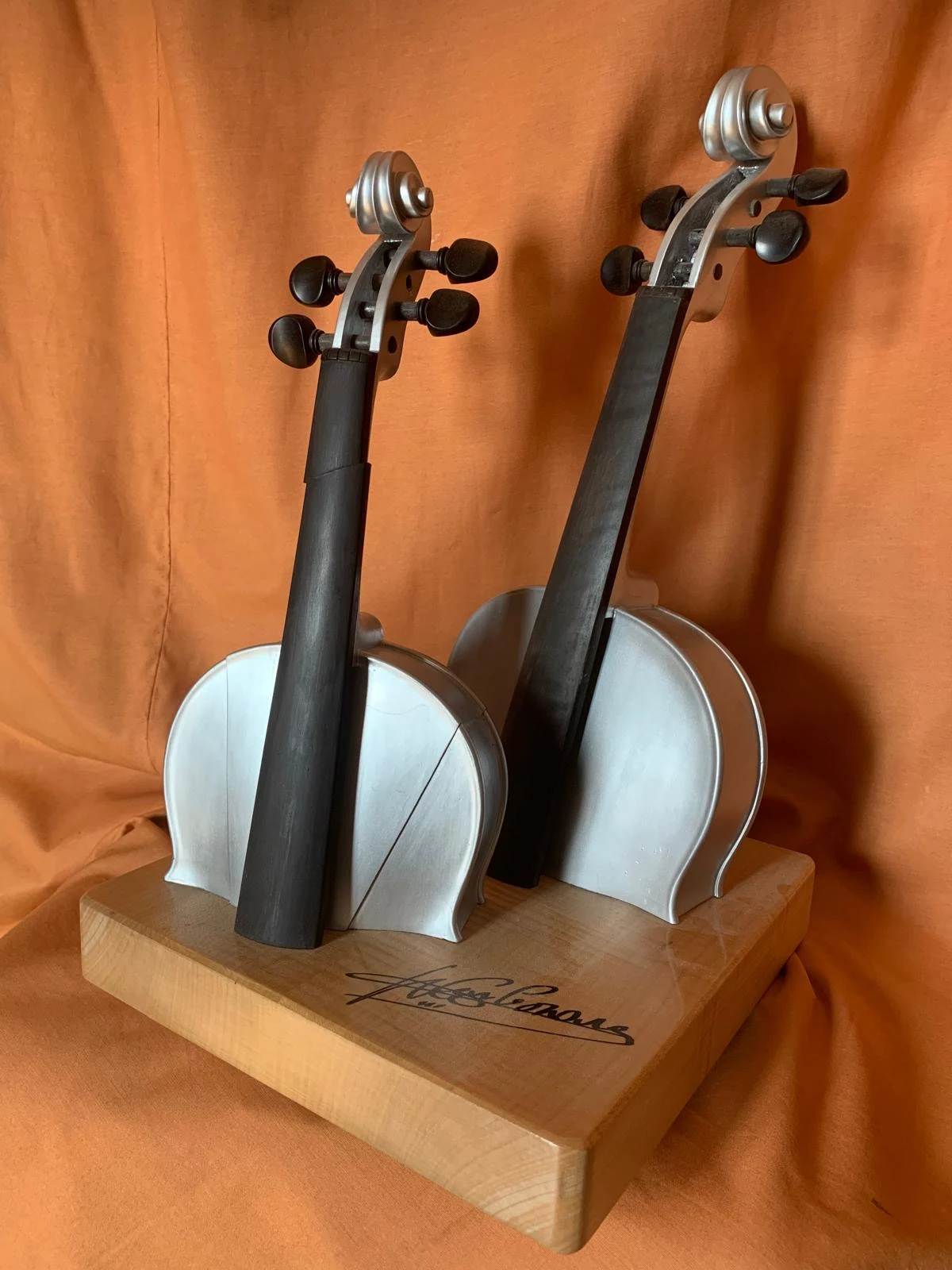
תיקון עולם
Sculpted work — Tikkun Olam
Alongside played instruments, the workshop has produced sculpted compositions, where the forms of violin making become an object to be shown.
These sculptures are called Tikkun Olam. A broken violin and a repaired violin are brought together on a single base; in the three-instrument version, the third stands for the child, for transmission. They exist in real wooden instruments or in bronze.
The archive shown here is the three-instrument composition. These works are given to artists, patrons and foundations; individual pieces and recipients are not detailed here.
Transmission
The craft is not handed down by a text. It is handed down by presence: a shared bench, a gesture repeated, a mistake corrected in a low voice. In Mirecourt, his daughter Mazarine works beside him in the workshop.
L’Édifice Éternel extends that continuity to young artists and young makers, connecting the workshop, the loaned instruments and the stages where they are played.
Alain Carbonare · Mirecourt
A career through the pages
The Mirecourt workshop, the rescued Vuillaume house, the virtuosos, the Cello of Freedom, the musicians of Céline Dion’s orchestra: clippings kept by the maker extend the story without taking the place of the instruments.